
Ushi no Koku — A Historical Asian Fantasy Youkai Roleplay Guidebook
This is a regular p tag
This is H1
This is H2
This is H3
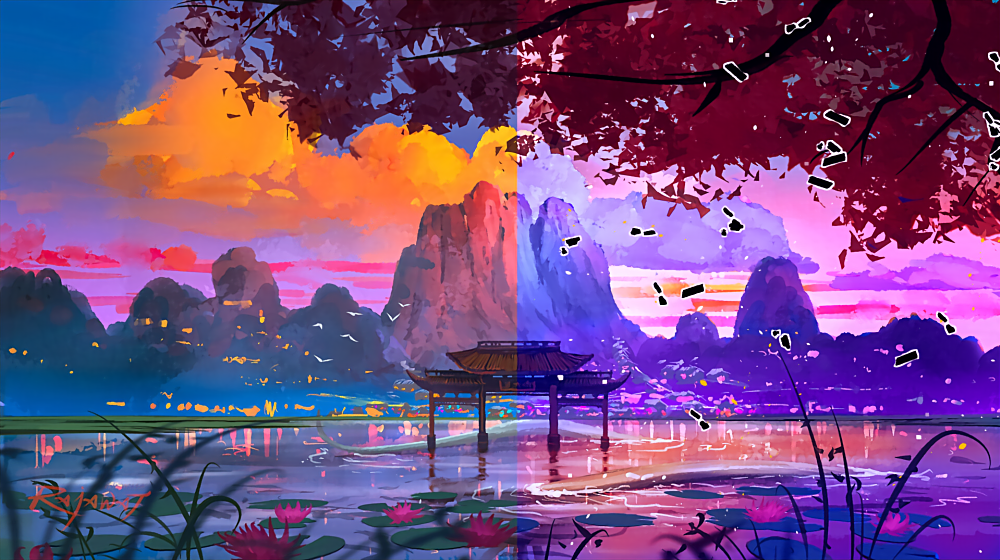
火水国 Kashuǐ, Land of Fire and Water
Kashuǐ (kah-shwey) is a continent on the planet Gaia, located southwest on the hemisphere. That is where our setting is located: our two mirrored nations of Shuǐyuè and Higanhi. In the human realm, Kashuǐ is called “Higanhi.” The skies are blue, the grass is green, day turns to night, and fire is the sacred flower that heals and purifies all. In the youkai realm, Kashuǐ is called “Shuǐyuè.” The skies are pink, the grass is blue, and water is the sacred gift of life that heals and purifies all in this realm of eternal twilight. Black particles of darkness trickle through the atmosphere at all times. The lands are identical; the locations are identical. But what is South in Higanhi is North for Shuǐyuè; what is west is West, and What is East is East. The two are mirrored images of one another, with different enough atmospheres for the differences to be notable. Wildlife is also different between the realms. A beautiful falcon in Higanhi will be a gargantuan avian youkai, for instance. Shuǐyuè, for all its beauty, is much more dangerous than Higanhi for this very reason. The two realms are connected through liminal spaces, such as (but not limited to) wells, forests, and tunnels. Every so often, a human may get spirited away to the youkai realm, or a youkai might get spirited into the human realm. Be careful. Watch where you step…OOC Notes
For those that are familiar with Legend of Zelda: Twilight Princess, this dual scheme is heavily inspired by Twilight Princess' Hyrule realm and Lorule (twilight) realm. Atmosphere is similar, but with different colourations. The main setting of UnK is the Capital of Shuǐyuè, but all of Shuǐyuè and Higanhi are playable. Countries/continents outside of Kashuǐ are not playable. Foreign religions, monarchies, militaries, and other foreign influences are not allowed on UnK, but you can play the common-day foreigner as both a human or as a youkai (but they must be a youkai from Japanese or Chinese mythology, not from Christian or Norse etc mythology). Each player may play up to 1 foreigner.Playable Character Types
You can play as a Jinrui (ordinary human or human with spiritual power) or as a Youkai (low-high ranking demons, and even kami, with players being allowed up to two kami characters). "Half-breeds" (a child born to a youkai and a human) are possible, though exceptionally rare. Half-breeds of a kami parent won't inherent godhood/godliness as that's something that is acquired through ranking up, (false) "summonings," age (e.g. 1,000 years), or other means. Permission of the affected kami is required if in play.人類 Rénlèi / Jinrui
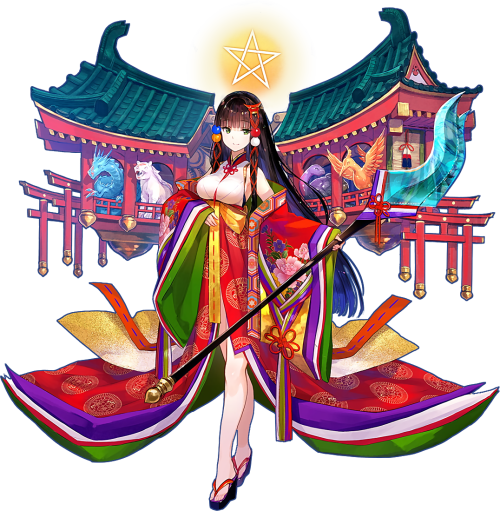
妖怪 Yāoguài / Yōkai
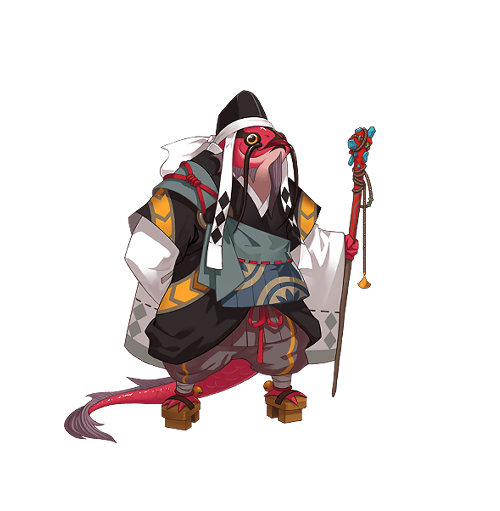
夾界子 Jiájièzǐ / Kyōkaishi
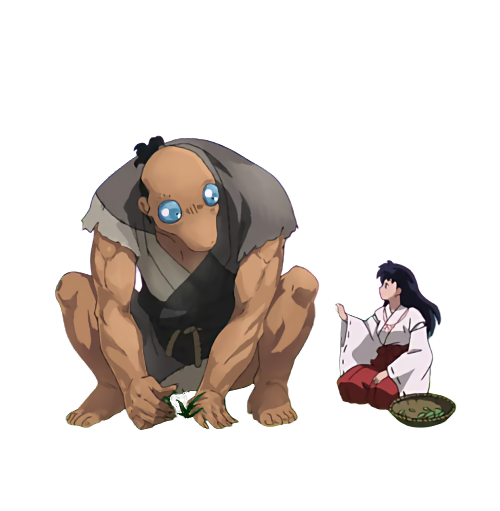
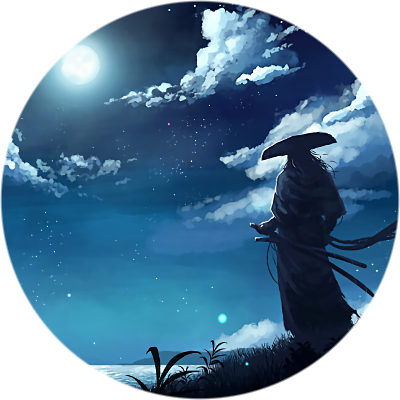
暮色水面 Mùsèminamo
Nickname Muse (twilight) Pronunciation MOO-suh-mee-NAH-moh Meaning Twilight Water Surface/ReflectionMuse is the pro-youkai faction, and may consist of some anti-human believers as well. Though overwhelmingly consisting of youkai, there are some humans in this faction who sympathise with youkai. The goals and executions of Muse can vary greatly: of peace and hope that youkai and humans can co-exist, of defence and simply wanting to protect their own from the humans, of oppression with the hopes of quelling the humans for the benefit of youkai kind. Though their sense of morals differs from the humans, in their narrative: they are the good guys and the humans? Not so much.
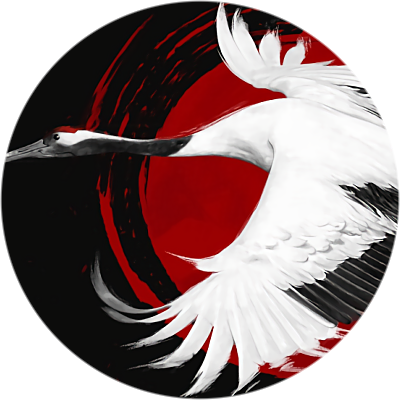
清浄之鶴 Seijō zhi Hè
Nickname Seijo(u) (pure) Pronunciation sey-JOE jer hoo-AH Meaning Pure Crane / Crane of PuritySeijou is a paramilitary order whose goal is to eradicate any and all demon/youkai kind. Most present themselves as warrior monks and priests, samurai, and other types of warriors that are not affiliated with any one clan. Ratherm they fight on behalf of their religious orders to protect mankind. In short: they’re a faction of youkai/demon slayers. Their morals are typical to humankind, and in their narrative: they are the good guys, whilst the demons are blood-thirsty, vile monsters that prey on the weak and vulnerable. It's possible for a youkai to fight amongst them, but it's extremely rare for they treat any youkai within their ranks as tools. Even gods.
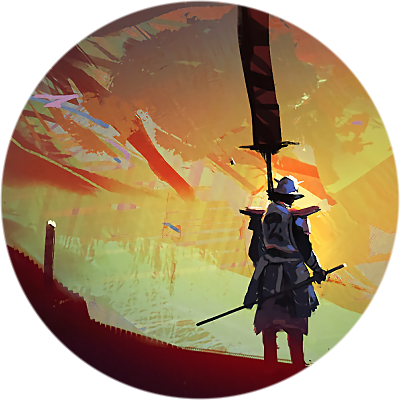
血君主 Xuèkunzu / Chijunzu
Nickname Unzu ((x)ruler) Pronunciation Xuèkunzu (Shuǐyuè reading): shweh-KOON-zoo / Chijunzu (Higanhi reading): chee-JUNE-zoo Meaning Blood RulerIn UnK, there are no shogunate. Rather, there’s the empress (youkai realm) and emperor (human realm), as well as the ruling clans. In other words: this is a faction of the courts, their members, and anyone living within their territory (but for this faction, we’re only going with the aristocrats and their immediate members). They uphold the law through the Blood Code. In the human realm, this is mostly symbolic, as the nobles handle their own grievances and the common person goes mostly unprotected; their focus is on the youkai. Meanwhile, in the youkai realm, the Blood Code is enforced by a hierarchy of magistrates so even the weakest of youkai are protected.
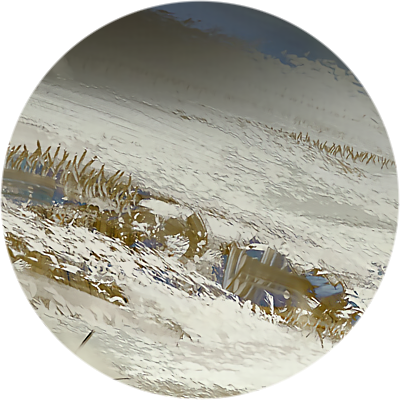
芒草の漂泊者 Mángcǎo no Hyōhakusha
Nickname Hyo(u)hakusha (wanderer) Pronunciation mahng-TSOW noh hyoh-HAH-koo-shah (mahng rhymes with song) Meaning Wanderer of the Pampas GrassThis is technically not a faction, but rather a loose concept lumping every and all criminal and vagabond together, whether they’re in the same clan, same line of crime, or not. Mangcao no Hyouhakusha has become a phrase to label the undesirables and unmentionables, with hyouhakusha being a shortened nickname for it. They came to be tied with Pampas Grass for bandits, thieves, assassins, and other cowardly assailants hiding in Pampas Grass before attacking caravans or other people. This is applicable in both realms.
生きる木 Ikiru Mù
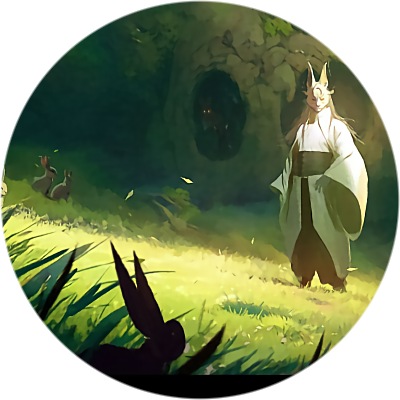
Nickname Mu (tree) Pronunciation ee KEE roo MOO Meaning Life TreeThis, too, is technically not a faction, but rather a loose concept lumping every and all commonfolk together. They are farmers, artisans, carpenters, and other labourers: people whose thankless work keeps the two realms alive. Because they quite literally sustain life as the backbones of both societies, the commonfolk are called Ikiru Mu: the Life Tree. Sometimes they are simply called Mu. They may live under a lord’s domain or outside it, religious or not. The Ikiru Mu are simply the people who make the world function in both realms.
Martial Arts
Martial Arts is the manipulation of the breath and body – to enhance one’s senses, to empower one’s movements – in order to perform powerful feats of combat. Both Youkai and Jinrui – regardless of spirit art capabilities – can learn and perform martial arts. The style they learn depends on their school or discipline, yet regardless of the style each discipline relies on the foundation of breathing. It lays out the building blocks for the other pillars of martial arts: ki, timing, rhythm, stances, power, emotional regulation, and altered states. For those who are not spiritually inclined, their attacks will have no elemental flare yet still be very powerful; for those who are spiritually inclined, their attacks can be imbued with their element to balance or imbalance the playing field. Not all disciplines will specialise in each of these pillars, but they’re here for reference:Kokyuuhou 呼吸法 – Breathing Techniques
In every fighting style, proper breathing techniques are essential. It literally powers every pillar in Martial Arts. Without proper breathing techniques, a martial artist cannot hope to reach their full potential. They also risk needlessly injuring themselves by overexerting unoxygenated muscles, and potentially disrupting their own ki. Depending upon their breathing technique, they may be able to flow like water, dance like fire, shred like wind, rupture like earth, or tap into endless possibilities like spirit.Ki 気 – The Flow of Breath
Ki isn’t separate from breath. In fact, it is breath; energy and intent given form. Those who learn how to channel and read ki can see the current of life flowing through others, allowing them to predict how their opponent might move. However, this is not foolproof and may not work for all opponents, such as (but not limited to) ghost-type youkai, fellow ki experts, or someone holding their breath. Blocked ki is a metaphor as opposed to an actual thing. It’s a metaphor for hyperventilation/panicked breathing, getting the wind knocked out of them, disrupted breath, or holding their breath under strain. These things can cause dizziness, numbness, temporary paralysis, or even fainting. They feel terrifying and in some cases they might feel like they’re dying, but they aren’t actually dying or in any lethal danger (opponent aside).Kamae 構え – Stances
There are as many stances as there are disciplines, some being better known and some being more obscure. Each stance represents an element, however, with the flow of their techniques embodying nature in some capacity. Stances consist of high, low, flowing, and explosive stances:- High stance (Joudan 上段): the centre of gravity is raised within their body; their torso tall, the body is open and aggressive; and their weapon (or hands) are lifted up high. This stance requires a sharp breath. It’s best for downward or forward attacks.
- Low stance (Gedan 下段): the centre of gravity is low and heavy within their body; their knees are bent and their hips are dropped; their body is grounded and defensive. This stance requires a deep breath. It’s best for defensive and grappling moves.
- Flowing Stance (Nagare 流れ): the centre of gravity shifts continuously as the body never locks; the movement is soft, flowing, and adaptive. It requires a continuous flowing breathing technique to match their uninterrupted motion, keeping the muscles relaxed. It’s best for evasion and repositioning, creating openings, and linking other stances seamlessly.
- Explosive Stance (Hassou 八相): Are sudden bursts of movements, from leaps, charges, changes in direction, and finishing blows. It’s stored tension, like a cobra coiling before it strikes. It requires compressed breathing technique. It's typically associated with upward or diagonal cuts.
Maai 間合い – Time & Distance
This technique is basically psychological pressure. It’s the space betwixt foes. Simultaneously, it’s rhythm, timing, and distance, which effectively creates the battlefield. Be too far from your opponent and you can’t hit them; too close and they can hit you first; step before they’re ready and you control the fight; step after they move and you’re reacting, math their rhythm, and you become predictable; break their rhythm and you create an opening; and so on.Mushin 無心 – No Mind
A state of total calmness where thought is dissolved in order to allow instinctive movement. This state cannot be reached without breath control.Zanshin 残心 – Remaining Mind
This technique opens senses and relaxes the body, allowing the mind to remain steady. This state allows them to extend their awareness, making them more perceptive. Like with Mushin, this state is impossible to achieve and maintain without breath.Kiai 気合 – Spirit Shout
This is a breathing technique where one channels their energy within and focuses inner power into a booming shout. It destabilises the opponent, but its effectiveness relies on the element of surprise.Take Away
Have fun creating stances. Draw inspiration from Demon Slayer or other anime you enjoy. Don't worry about it being historically accurate and replicating real life fighting styles (unless you want to). But do refrain from attempting to min-max or creating the ultimate powerful/unbeatable character.Elements of Godai
Earth ち
- Yamawaro (mountain-dwelling spirits)
- Gashadokuro (giant skeleton)
- Hone-onna (bone woman)
- Tsuchigumo (earth-spider)
- Dorotabou (mud-covered ghost)
- Kodama (tree spirit)
- Okuninushi (deity that built the land)
- Oyamatsumi (mountain deity)
Water すい
- Iso-Onna (siren-like spirit)
- Yuki-Onna (snow woman)
- Kappa (river creature)
- Mizuchi (water serpent/dragon)
- Umibouzu (sea monk spirit)
- Kouri-youkai (ice spirits)
- Ryuujin (sea dragon deity)
- Suijin (water deity)
Fire か
- Wanyuudou (flaming wheel)
- Enenra (smoke spirit born of fire)
- Hi-no-tama (wandering fireballs)
- Raijuu (thunder beast)
- Kaminari-kozo (thunder boy)
- Inazuma-no-sei (spirits of lightning)
- Raijin (deity of thunder and lightning)
- Kagutsuchi (deity of fire)
Wind ふう
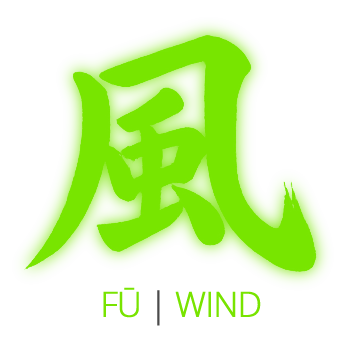
- Tengu (wind-aligned mountain spirits)
- Kamaitachi (wind weasel)
- Yamabiko (echo spirit)
- Fuuryuu (dancing wind apparitions)
- Azukiarai (azuki-bean washing spirit)
- Biwa-bokuuboku (tsukumogami of a biwa)
- Fuujin (deity of wind)
- Benzaiten (deity of music)
Spirit くう
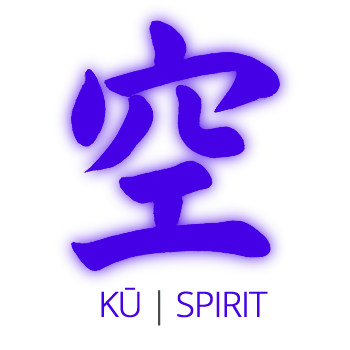
- Yuurei (ghosts)
- Daitengu (highly spiritual tengu)
- Tanuki & Kitsune (illusion duo)
- Baku (dream eater)
- Tsukumogami that represent emptiness, creativity, or potential (books, masks, instruments)
- Shikigami (spirits animated by life-force)
- Tsukuyomi (moon deity, not playable)
- Ame-no-Uzume (dawn deity)
Spirit Art Forms
Spirit arts is the manipulation of the Godai elements; both Youkai and spiritually inclined Jinrui can manipulate the elements. For those awakened and aware of their abilities, they may integrate Martial Arts practices and stances (elaborated in the Martial Arts tab), or they may manipulate the spirit arts in the following ways: ofuda, norito, kagura, mudra, mantra, rituals – or something wholly unique to your character and their school’s discipline. The following are primarily used by Shinto Priests and Priestesses:Ofuda 御札 – Paper Talismans
Ofuda are paper talismans used for banishing and warding off spirits/youkai, as well as purification and sealing. Individual disciplines might have found a use for Ofuda in other unique ways.Kagura 神楽 – Sacred Dance
The Kagura dance is a sacred dance that invites spirits, cleanses the area, and can reveal hidden things. It’s often attributed to laying the dead to rest, preventing them from becoming youkai.Norito 祝詞 – Ritual Chants
Norito is a formal prayer that is said to invoke the kami. It can purify spaces and dispel impurities as well, though depending on the prayer that’s chanted there may be other results as well.Shimenawa 注連縄 – Sacred Ropes
These ropes can bind spirits, seal dangerous areas or youkai away, or mark sacred areas. It’s effectively a barrier or seal, but perhaps these ropes could be used in other ways. The following are primarily used by Buddhist Warrior Monks (Souhei):Mantras 真言 – Sacred Scriptures
Mantras are chants that can be used to exorcise youkai, protect, empower, or perform rituals like fire rituals. They’re very versatile depending on the scriptures.Mudras 印 – Hand Seals
These are symbolic gestures that can channel one’s spiritual power and release it.Goma Ritual 護摩 – Fire Ceremony
This is a ritual where monks summon divine fire to burn away impurities and manifest blessings. It can also empower others’ spirituality. Please note that there are no Onmyouji/Onmyoudou. Instead, we have Youkai Slayers that primarily use Martial Arts and ki control to channel their spirit arts. There are also Youkai Slayers that are basically onmyouji by another name: summoners and necromancers.Restricted Spirit Art Skills
- Resurrection — Resurrection is possible for exceptionally powerful kami or youkai, but not Jinrui. The youkai has to resurrect the dead within 49 hours of their passing, or the person is gone for good. If a person died with strong emotions or improper rites, their soul may transform into a youkai before resurrection. The resurrected person returns as they were before death, not as an animated corpse. (OOC: may have added restrictions if abused.)
- Necromancy — Resurrecting corpses is impossible, but necromancers can bind ghost-type youkai (shikigami). The person must have died more than 24 hours ago or under extreme circumstances that created a ghost immediately. A necromancer can have up to 4 spirits. To capture a spirit, they must be the same rank or higher.
- Summoner — Similar to necromancers, but they can summon other types of youkai. They can also have up to 4 spirits. To capture a youkai, they must be the same rank or higher.
- Clairvoyance / Mind-reading — Allowed with OOC permission. Clairvoyants may see short distances into the future or past; mind-readers may sense surface thoughts. Must avoid metagaming. If someone (including staff during events) says “no,” the ability fails.
- Blood Manipulation — Characters may manipulate their own blood to create weapons or tools. They cannot manipulate others’ blood. Excessive blood loss has consequences. Blood may be stored in vials beforehand.
- Power of Suggestion — Characters may influence others, but not control them. Suggestions must align with what the affected character might reasonably do. If it’s out of character, it fails.
- Regeneration — Some powerful youkai can regenerate (e.g., Gashadokuro), but Jinrui cannot regenerate under any circumstances. Some youkai may require sealing instead of exorcism.
- Memory Erasure — Allowed for plot purposes with OOC discussion. Memories must be recoverable; permanent erasure is not allowed.
- More to possibly come?
Banned Skills
- Copycat — Cannot copy others’ skills, even via transformation (e.g., tanuki). This opens too many problems.
- Body or Mind Control — Powerplay is prohibited. Characters cannot take control of another character’s body or mind.
- Off-limits Gods’ “Broken” Abilities — The off-limits kami are: Pangu, Nüwa, Fuxi, Jade Emperor, Izanagi, Izanami, Amaterasu, Tsukuyomi, and Susanoo. Example: you cannot make an Izanagi-by-another-name who creates land/worlds.
- More to possibly come?
Welcome to Korok’s Studio!
Korok’s Studio offers custom 2D artwork of your youkai and other original characters, hand drawn by Korok (artist handle: iotaSAGE). My standard commission rate is $18/hr, but active members of UnK receive significantly discounted pricing as part of our community perks. You can visit my carrd for more examples of my work and links to my older socials. All commissions require a brief art agreement signed with your legal name (and preferred name, if applicable). This protects your rights as the commissioner and mine as the artist. Your personal information will never be shared. Please note, Korok’s Studio runs on mutual respect. My rates reflect the time, skill, and care that go into each piece, so they aren’t up for negotiation or comparison. If the pricing doesn’t fit your budget, that’s okay. This space is meant to support creativity, not turn it into a competition. Want to learn how to draw instead? I love seeing people take up the brush! I'll gladly give the occasional tips and tricks - no charge. If there's enough interest, I could set up a Gumroad where I create in-depth tutorials for mass-buy, making them as cheap as possible (I'm thinking between $1-3 a piece). Scroll down for my dos and don’ts, pricing tiers, and art examples.


- Sketch bust: $15 USD
- Sketch half-body: $25 USD
- Sketch full-body: $35 USD
25 IC posts to order
- Bust: $35 USD
- Half-body: $55 USD
- Full-body: $75 USD
50 IC posts to order
- Bust: $60
- Half-body: $90
- Full-body: $140
- Full scene (bg): $180–$350
100 IC posts to order
- Complex clothing: +$10–$20
- Weapons / props: +$10
- Timelapse: $5-$10
- Use outside of forum: +$30

Dos & Don'ts
Will do
- Various fantasy races
- Hands, etc.
- Objects/items
- Backgrounds, some perspective
- Mildly risque themes
- Darker scenarios (e.g. fighting club)
- Original off-site characters (DnD, FFXIV, WoW, other +)
- Fanart of your FCs
- Never drawn vehicles/mechas/robotics, but I'd give it a shot.
Won't Do
- Political content
- Hateful content
- Furry style (I'll do characters, but it'll be in my style)
- Imitating other artists' styles
- Fanart of certain companies IP (e.g. Disney)
- Your art homework
- Generate AI artwork, everything's hand-drawn
- Pornography, ecchi
- Any sort of illegal content in the state of MA
The Process
- After you reach out to me via the message centre on UnK, I will confirm if you meet the minimum requirement of IC posts for the community discount. This is to make sure we don't get anyone joining the site for the sole purpose of heavily discounted commissions, and leaving immediately after.
- I'll then contact you and let you know if I can or can't take your order at that time. If I can't at the moment, I'll contact you again to let you know I'm ready to take your order.
- If there's a queue, I'll wait 24 hours for a response before moving on to the next person in queue. Please make sure you're ready with all your references within that time period. References can be anything from photos to other art. Yes, you may even share gen. AI art if it captures the essence of XYZ.
- Once I'm able to take your request, we'll discuss what you want and then I'll ask for you to sign the aforementioned art agreement (for copyright reasons) via Google Forms, as well as payment. You only need to sign this once unless I update the agreement and you commission me again after said update.
- For payment, you may use PayPal, Stripe, or Ko‑fi. Ko‑fi is new to me, so I’m still learning its fees and policies. Please be aware that PayPal and Stripe both charge additional processing fees on top of my listed rates (and even more if currency conversion is involved). Per their Terms of Service, I cannot charge you extra to cover these fees, nor can I lower my rates to offset them. Thank you for understanding.
- I will create a few rough sketches/thumbnails to map out a composition or pose for you to choose from. If none are to your liking, I'll repeat the process one more time based on your feedback.
- Throughout the drawing process, I will give you occasional WIPs of the drawing. You can ask for changes up to 3 times in the drawing/sketching stage. Once it gets inked, there will be no changes to the drawing itself. At the colour stage, you're able to ask for colour changes up to 3 times. Extra edits that adhere to these terms will require an additional fee.
- Once complete, I'll send you the original size, a browser-friendly size, a, size that fits UnK’s dimensions, as well as both the coloured version and line art if applicable.
The Art Agreement
Here is the Art Agreement so you know the terms before you contact me for a commission. It will be in a Google Form, and you’ll receive a copy of your signage in your e-mail for your own safe-keeping. +++ Your name and email are only used for this agreement and for communication about your commission. They are never shared or published. This form collects the minimum information needed for a valid art agreement. When signing, please include your legal first and last name, your chosen name if it differs (optional), the date of signing, and an email address where you can be reliably contacted (no anonymous or bounce emails). From hereon, {Not disclosing publicly. Korok’s Name will be here in the form} will be referred to as “The Artist” or the conjugations of “her.” You, the commissioner, will be referred to as “The Commissioner” or the conjugations of “they.”✔️ The Commissioner Is Allowed To…
- Repost or use the commissioned work on non profit websites, galleries, or communities, provided you credit the Artist, {Korok’s Name} (links available on the commission website).
- Print the artwork professionally or at home for non profit personal use, including gifts for friends or family.
- Use the artwork as a tattoo design for yourself, provided you discuss it with the Artist first and obtain the tattooist’s permission (tweaks by the tattooist are fine).
- Colour the commissioned linework and share it with proper credit as above.
✘ The Commissioner May Not…
- Re-sell the commission.
- Print or sell the artwork for profit.
- Publish, distribute, or sell the artwork in any profitable or non personal context.
- Use off Ushi no Koku on Forum Spark without paying an additional fee of $30 USD.
- Claim the artwork as their own. (In joint projects, you may credit your own contributions while crediting the Artist for hers.)
- Cancel the commission after payment; no refunds will be issued in this case.
- Libel or slander the Artist.
- Claim the Artist’s intellectual property as their own.
- Feed the artwork into AI systems for any purpose, including but not limited to: removing the signature, altering the background, or generating derivative works.
✔️ The Artist Is Allowed To…
- Use the commissioned artwork in her portfolio, artbooks, and social media galleries.
- Include the work in her résumé (you may request to be named or remain general).
- Make minor tweaks or alterations for portfolio presentation at no extra cost to the Commissioner.
- Print the artwork for personal use outside of artbooks.
✘ The Artist May Not…
- Outside of artbooks or biographies (which compile the Artist’s work), the Artist may not print, re-sell, or publish commissioned works, nor claim your intellectual property as her own.
- Claim any work she did not create.
- Disclose your personal or private information, including payment details or commission specifics, to anyone.
Exception: Situations where disclosure is required by law (e.g., court orders).
Refunds
Refunds are only available in the following situations:- If the Artist is unable to finish the commission for personal reasons, a full refund will be issued.
- If the Commissioner behaves in an exceptionally unpleasant or hostile manner, the Artist reserves the right to cancel the commission and issue a 30% refund instead of a full refund. No artwork will be provided in this case.